
Ever notice how budgeting feels a lot like dieting?
You get motivated, track everything carefully for a while, promise yourself this time will finally be different… and then life happens. You get busy, overspend on something stressful or convenient, stop tracking for a few days, and eventually give up altogether. A month later you start over again, already feeling behind before you’ve even really begun.
That was me for years.
I wasn’t ignoring my money. Honestly, I thought about money constantly. I tried budgeting apps, savings challenges, cash envelopes — all of it. Nothing really stuck long-term because eventually it started feeling like another thing I was failing at. I’d do well for a couple weeks, get tired of tracking every little thing, life would get hectic, and suddenly I was right back where I started again.
The problem wasn’t that I didn’t care about money. If anything, I cared too much. I was thinking about it all the time, and eventually that gets exhausting. I got tired of feeling broke three days after payday. The goal stopped being “perfect budgeting.” The goal became not having to think about money. All. The. Time.
Every Paycheck Felt Like Temporary Relief
Every payday felt like a quick breath before another round of stress. I’d finally feel some relief for a few hours, then immediately start mentally sorting through everything that still needed to happen. I was constantly trying to remember what payments hadn’t hit yet, mentally calculating groceries before even going to the store, moving money between accounts, and hoping nothing unexpected happened before the next payday arrived.
The hardest part was how emotional payday felt.
After spending weeks stressed about money, it’s incredibly tempting to finally treat yourself a little. You want takeout because you’re tired. You want something fun to show up at your door from Amazon. You want a break from constantly thinking about bills and balances and due dates.
I’m human. Sometimes I gave in.
Then a few days later I’d get that familiar pit in my stomach realizing I probably needed that money for something more important. I’ve returned more Amazon purchases than I can count. At least those were returnable. The pizza delivery wasn’t. Neither was the random convenience spending that happened because I was burnt out and tired of doing financial gymnastics every single month.
That cycle gets old fast, especially when you keep promising yourself:
“Next payday I’ll do better.”
The Moment I Realized What Was Actually Wrong
At some point, I realized I wasn’t actually terrible with money.
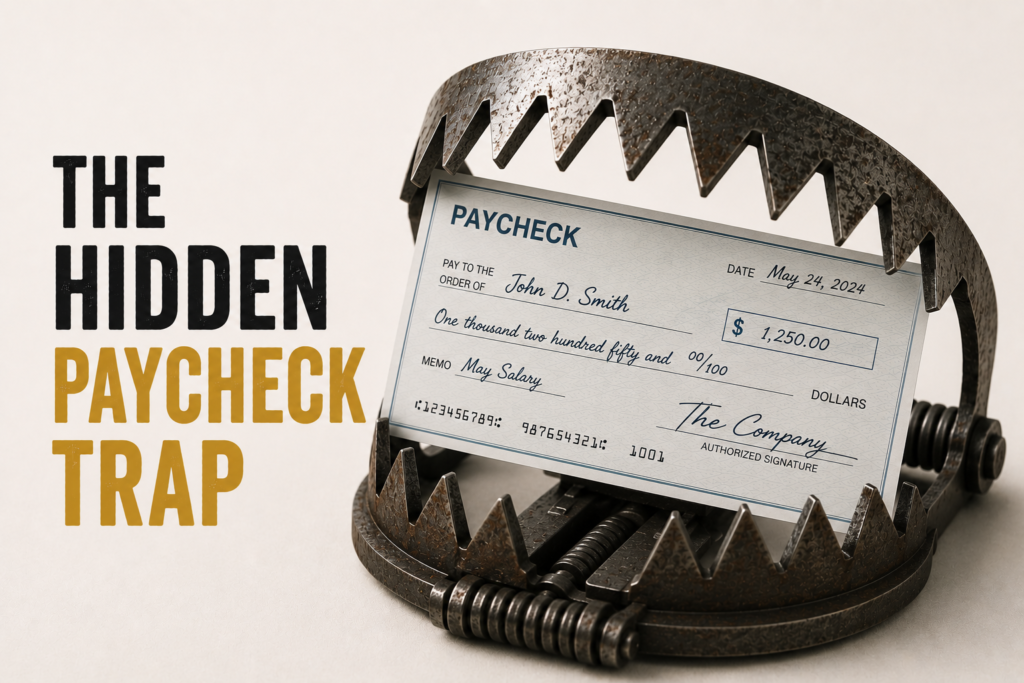
The bigger problem was that everything was coming from the same place. Bills, groceries, spending money, school stuff, subscriptions, random expenses — it all came out of one account, one paycheck, one constantly stressed mental pile of money. Even when I was trying to be careful, it still felt like I was one unexpected expense away from falling behind again.
That’s why my paycheck disappeared so fast. Not because I was wildly irresponsible, but because my money never really had a chance to settle anywhere before something else needed it.
And honestly, realizing that was a huge relief in itself.
I stopped blaming myself quite so much.
That’s When I Started the Money Lane System
That’s when I started the Money Lane System.
What appealed to me immediately was that it didn’t feel like another punishment-based budget where I had to obsess over every coffee or manually track every tiny purchase forever. It felt practical. Instead of trying to control my money after it had already disappeared, I started organizing it differently before it got spent.
It didn’t change everything overnight, but slowly things stopped feeling so chaotic.
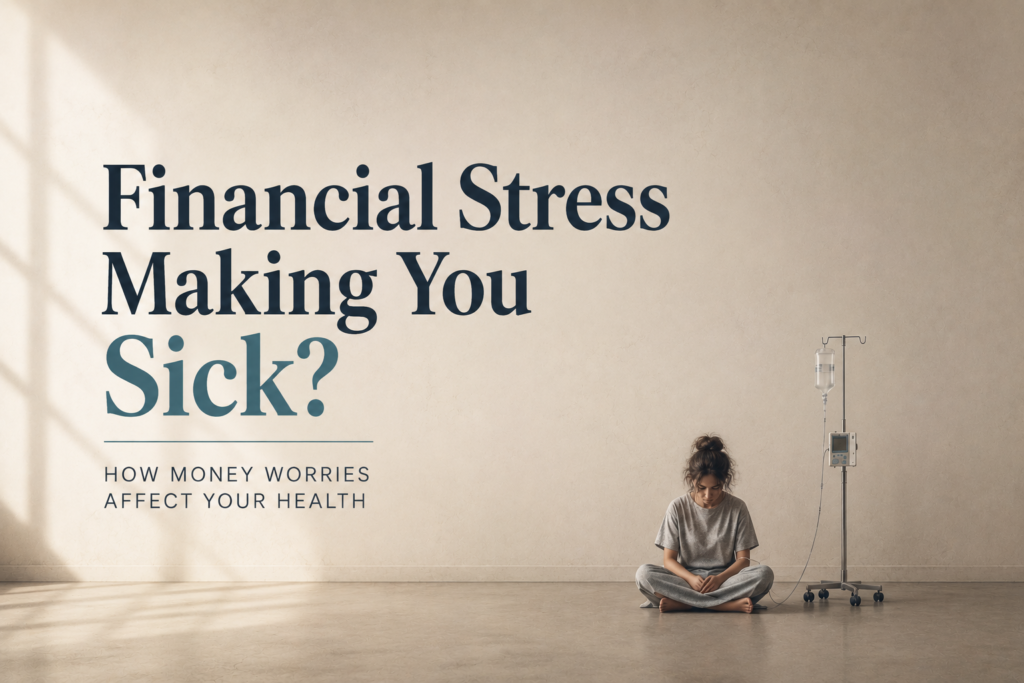
I stopped feeling scared to check my account. Payday stopped feeling like temporary recovery mode. I wasn’t constantly trying to mentally calculate what was left every second of the day. I felt calmer, less distracted, and honestly less irritated all the time.
Even the kids noticed the difference.
I was more relaxed. More patient. More fun to be around. That part surprised me the most because I didn’t realize how much financial stress had been affecting my mood and energy until it started easing up.
The Difference Was Bigger Than Money
A few months later, I remember standing in the grocery store realizing I wasn’t doing mental math anymore. I wasn’t pulling out my phone between aisles to check my bank account or trying to remember what payments were still about to come out before payday. I wasn’t wondering whether buying one extra thing would ruin the rest of the week.
I just bought groceries and went home.
That probably sounds small to someone who hasn’t dealt with constant financial stress, but to me it felt huge. It was one of the first moments where I realized my life actually felt calmer.
And once you feel that kind of breathing room, you don’t really want to go back.
Why the Money Lane System Worked for Me
What I liked most about the Money Lane System was that it finally made money feel manageable instead of overwhelming. It wasn’t about financial perfection. It wasn’t about becoming obsessed with budgeting forever. It was about creating separation between bills, spending, and future money so everything stopped feeling so chaotic all the time.
That’s a completely different experience from traditional budgeting.
And if you’ve been stuck in the cycle of restarting budgets over and over again, you’ll probably understand exactly what I mean.
That’s also why posts like Today I Bought a 32 Dollar Roast — And Realized I’m Finally Not Financially Drowning Anymort connect with so many people. Financial stress usually isn’t one giant irresponsible decision. It’s the slow exhaustion of feeling like normal life keeps getting more expensive while your paycheck somehow feels smaller every month.
Imagine Feeling Different Six Months From Now
Imagine not having to calculate every penny before grocery shopping.
Imagine payday not disappearing in a couple of days. Imagine opening your banking app without immediately feeling stressed. Imagine one unexpected expense not completely wrecking your month. Imagine finally feeling like your paycheck has somewhere to go besides disappearing.
That’s the part that gets exciting.
Because once your finances stop feeling chaotic, your entire life starts feeling calmer too. And honestly, I think that’s what most people are really searching for when they say they want financial breathing room.
Related Posts
- How To Stop Living Paycheck To Paycheck
- I Didn’t Realize Financial Stress Was Making Me Sick
- Why Budgets Don’t Work (And You’re Probably Still Broke)
- The Hidden Paycheck Trap
- The 3-Lane Method For Escaping Survival Mode
These topics are all part of the broader Money Lane System approach to reducing financial stress, organizing money differently, and creating real financial breathing room that actually lasts.